
Child Sexual Exploitation (CSE)
In 2023, Rosie’s Place was successful for a grant from the NSW Government - Sexual Violence Grants Fund called Communities of Connection.
Communities of Connection is a capacity-building project developed by Rosie’s Place to reduce child sexual exploitation and strengthen early intervention responses for children and young people at risk. Guided by a public health model, the project focuses on identifying the early signs of both in-person and online exploitation, understanding the tactics used by perpetrators, and recognising the heightened vulnerabilities experienced by marginalised groups. Through extensive consultations with young people, families, schools, OOHC workers, disability services, health professionals, migrant and Aboriginal organisations, and other community partners, we designed resources and strategies that improve awareness, build safer pathways to support, and strengthen the community’s ability to disrupt harm before it escalates. The project ultimately aims to foster stronger, more connected environments where young people are recognised early, responded to confidently, and supported to remain safe and free from exploitation.
Defining Child Sexual Exploitation
Debates continue around how best to define child sexual exploitation (CSE), and whether it should be seen as distinct from, or part of, child sexual abuse (CSA).
The Australian Royal Commission into Institutional Responses to Child Sexual Abuse (2016) defined child sexual exploitation as 'the process of coercing or manipulating children into engaging in sexual activity in return for something such as alcohol, money or gifts'.
Similarly, the UK Department for Education (2017) defines CSE as a form of child sexual abuse involving 'an individual or group taking advantage of an imbalance of power to coerce, manipulate or deceive a child under 18 into sexual activity… in exchange for something the victim needs or wants, or for the financial advantage or status of the perpetrator'.
The distinguishing feature of child sexual exploitation, compared to child sexual abuse, is the element of exchange. However, as Webb and Holmes (2015) note, this has led some to wrongly interpret children and young people as more complicit, rather than recognising exchange as a form of coercion and control.
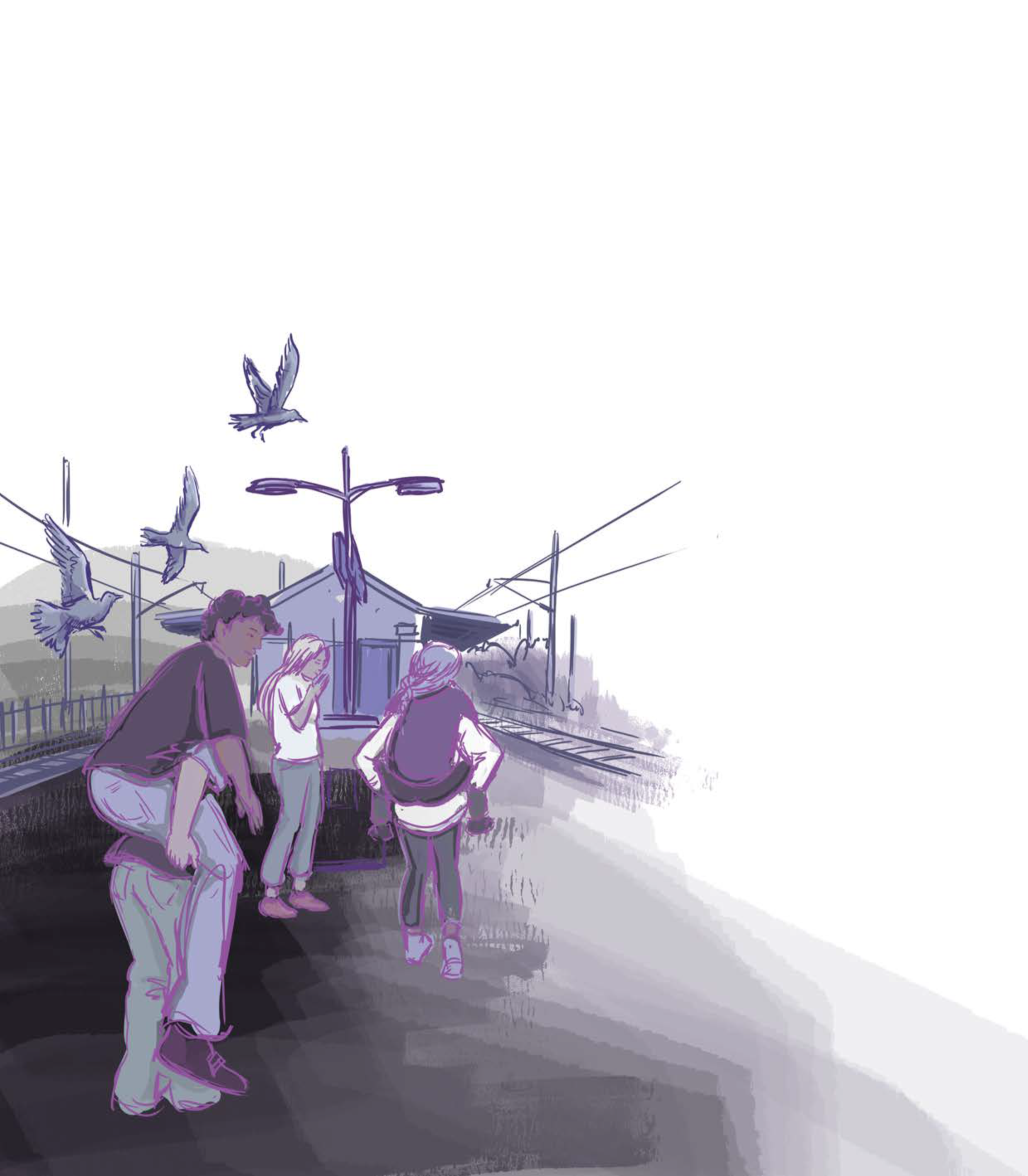
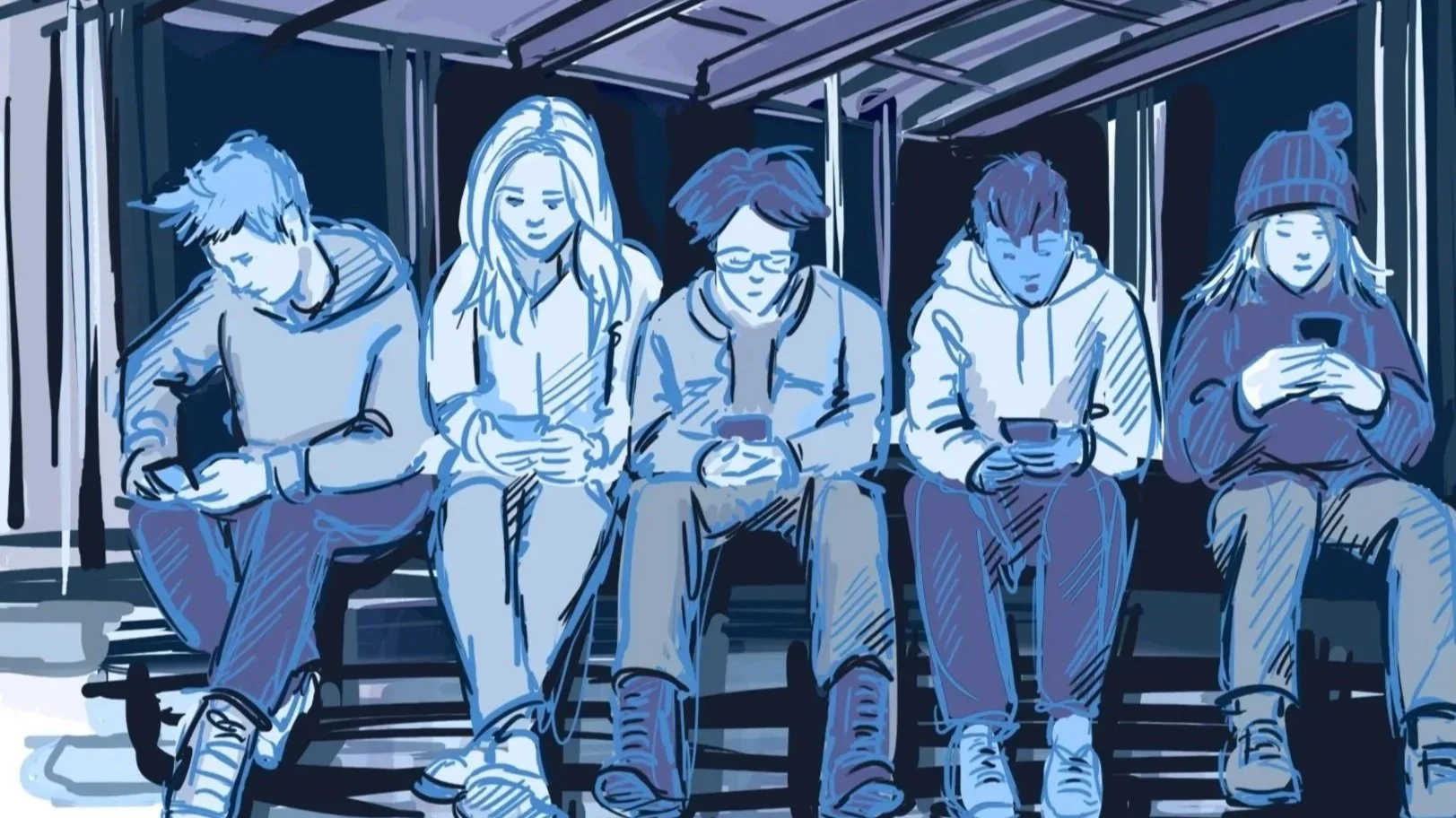
As part of the capacity building project, Rosie’s Place developed three resources to support workers, parents and young people.
Crossed Lines - Online training package to support the workforce when responding to child sexual exploitation.
Through Sliding Doors - Five creative, immersive scrolling stories. Explores the real experiences of young people.
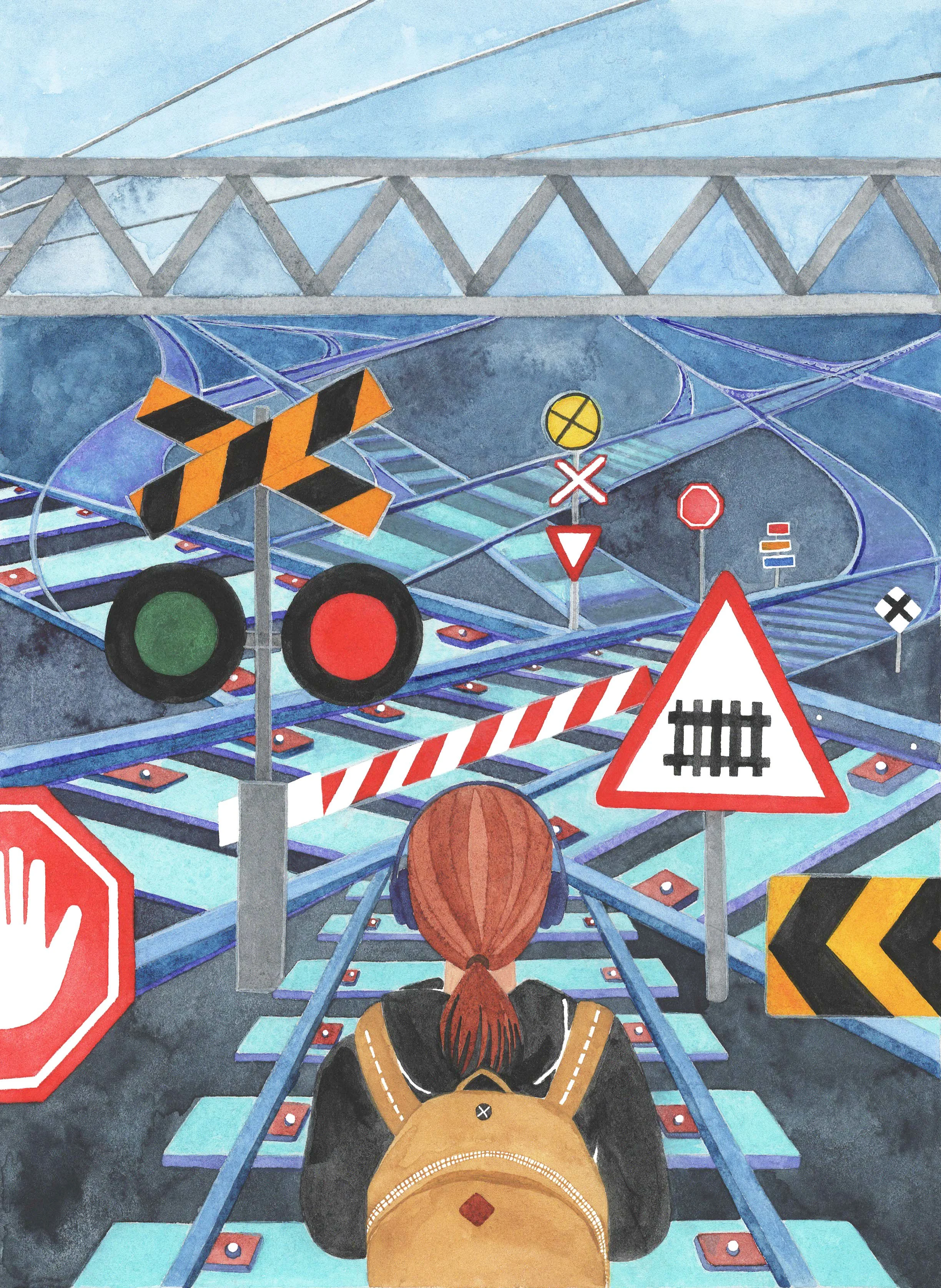
Switching Tracks - A magazine written by young people, for young people. The magazine explores real experiences of sexual harassment, online exploitation, coercion, and harmful peer behaviour.
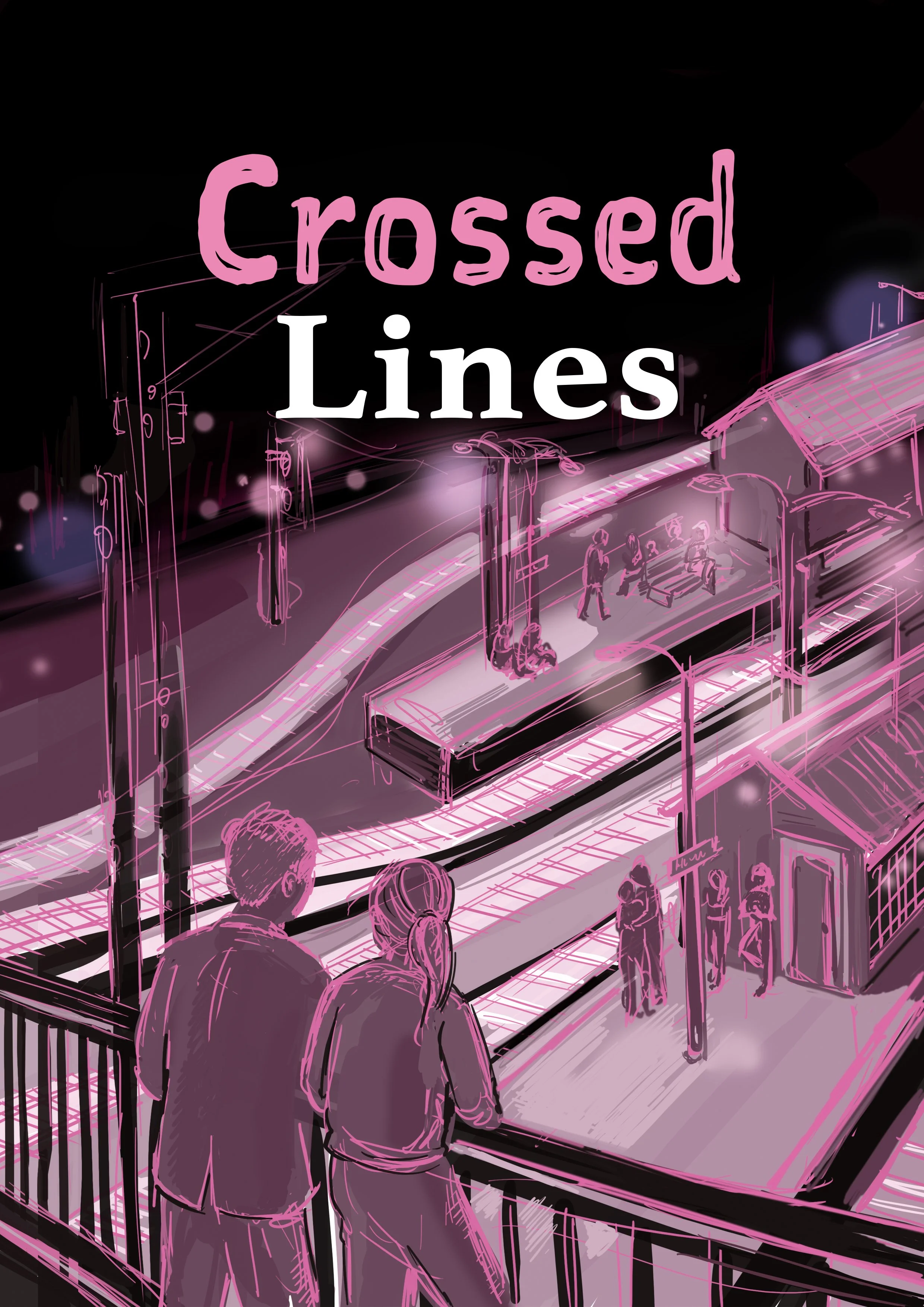
Crossed Lines is an in-depth training program designed to build workers’ understanding of child sexual exploitation (CSE), harmful sexual behaviour (HSB), and the complex social, developmental, and digital environments in which young people live.
It explores how power, coercion, inequality, and social norms shape sexual harm, emphasising that children cannot consent to exploitation and that “exchange” is a tactic of abuse, not evidence of agency. The training challenges outdated language, victim-blaming narratives, and gendered stereotypes, and highlights the ongoing impacts of digital culture, pornography, peer dynamics, and online coercion.
Drawing on contemporary research, the program helps workers understand young people’s developmental trajectories, the influence of social constructions of gender and sexuality, and the realities of peer-on-peer exploitation. It equips practitioners to recognise early indicators, hold a social justice lens, identify tactics of control, and respond with interventions grounded in dignity, resistance, and rights-based practice. Ultimately, Crossing the Lines supports workers to better understand both those harmed and those who have caused harm, seeing young people as individuals with histories, contexts, agency, and potential for safety and change.
Through Sliding Doors
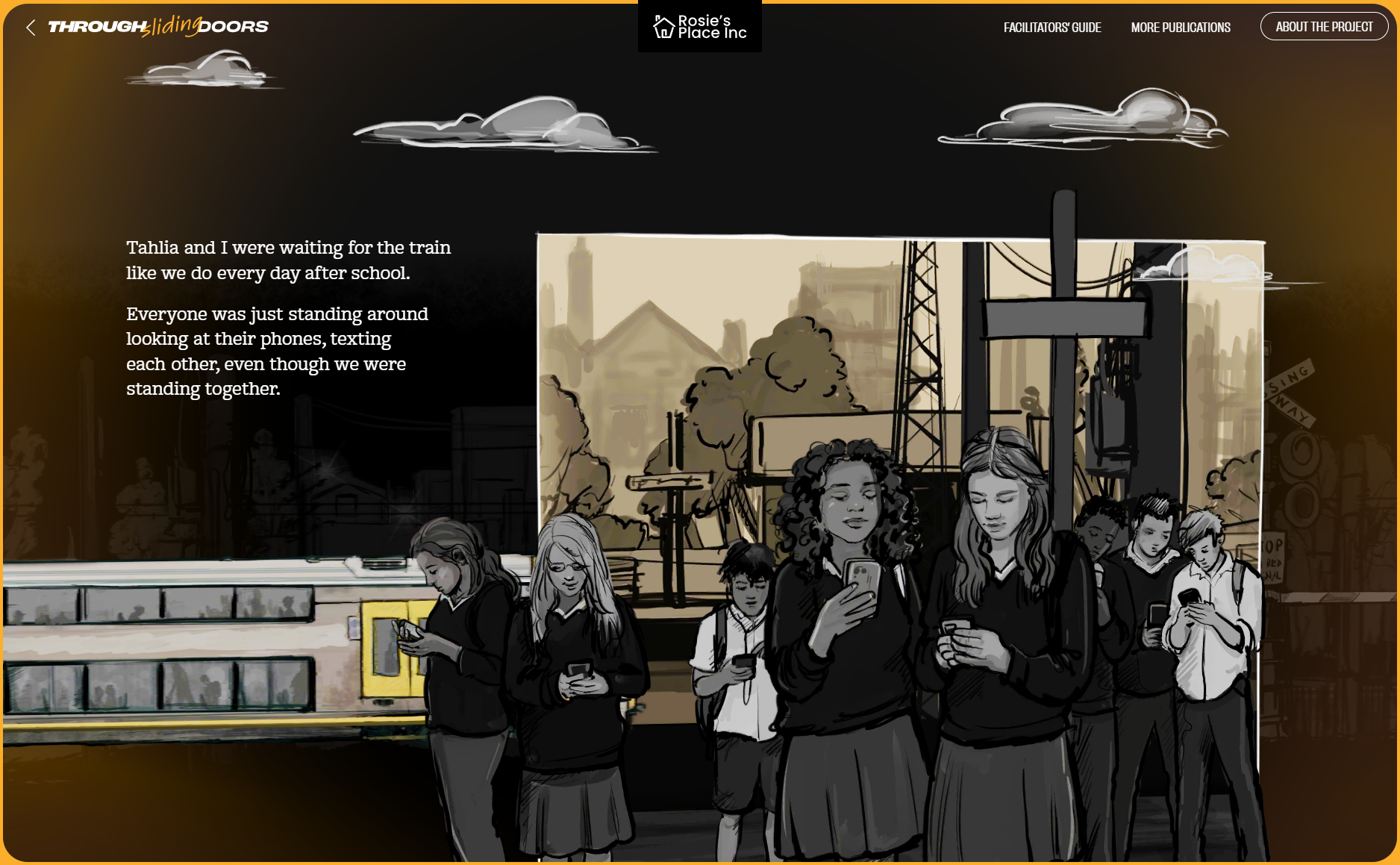
Through Sliding Doors shares real experiences of young people supported by Rosie’s Place, exploring sexual harm, online exploitation, peer pressure, betrayal, and the many ways young people work to stay safe. Developed through a co-design process, every story is shaped by the voices, insights, and lived experiences of young people themselves.
Using immersive storytelling, combining illustration, sound design, and narrative, the project brings difficult experiences into view in ways that feel real and relatable. At its heart, the project aims to reduce shame and secrecy by centring dignity, truth-telling, and the strength of young people who have experienced harm, while sparking essential conversations about safety, boundaries, respect, and seeking help.
These five scrolling stories were brought to life through illustrations by Elizabeth Botté (botte.com.au), with the team at Distil Immersive (www.distil.im) crafting the final experience in a way that is both engaging and deeply respectful.
Switching Tracks
Switching Tracks is a magazine co-designed with young people. It explores real experiences of young people through sexual harassment, online exploitation, coercion, harmful peer behaviour, and the many complicated feelings that come with them.
Each story: Drawing Joy, The Battle, Blue, School Sometimes, Clouds, and Finally, offers a different lens on how harm can happen, how young people try to make sense of what’s happening, and how reaching out to someone safe can be the first step out of confusion, shame, or fear.
The magazine includes reflective questions after each story to help readers think about safety, consent, pressure, boundaries, and their own values and coping strategies. It emphasises that young people deserve respect, connection, and support, both online and offline, and encourages them to talk with trusted adults or peers if something doesn’t feel right. The final section, Staying on Track, gives practical safety reminders about self-worth, boundaries, online behaviour, and help-seeking.
Feedback about the project
Please use the contact form below to ask any questions or provide feedback about the project or any of the resources.